A single number
One referral line for bed bug calls across Sterling Heights.
Bed bug follow-up treatment in Sterling Heights, MI is the planned return visit that checks whether the first treatment worked and deals with bugs that hatched or stayed hidden since. Calls to this line are connected with an independent local provider serving houses, condos, apartments and manufactured homes across the city. If you have seen a live bug or new bites since treatment, call and describe what you found.
One referral line for bed bug calls across Sterling Heights.
Providers usually inspect before talking about cost.
Calls go to providers who serve Sterling Heights.
Search MDARD's licensed business list.
Most return visits combine a fresh inspection, treatment of any active spots and a check of the monitors. Ask what the visit covers and what is charged separately.
The provider rechecks mattress seams, box springs, bed frames, headboards, upholstered chairs and baseboards for live bugs, eggs, shed skins and fresh spotting. Some providers add a detection dog or a thermal camera; ask whether yours does and how its findings are confirmed.
Areas that still show live bugs are treated again, often with a residual product on frames and edges and a dust in cracks and voids. In Michigan, the person applying must be a certified applicator or registered technician. Ask which areas the terms cover if bugs return.
Cups placed under each bed leg catch bugs moving onto or off the bed, and extra monitors may go along baseboards or beside seating. Ask whether monitors are part of the visit and who checks them between visits.
Request written notes that record what turned up, the rooms treated, the products applied and whether one more visit is recommended. Renters and landlords often keep these with their lease or repair records.
Re-treatment terms differ from one provider to the next. Ask how long any coverage lasts, which rooms it includes, what counts as new activity, and whether bugs brought in later on luggage or used furniture are excluded. This site cannot promise any terms, so have them written down.
Describe what you have found and learn the next step from a provider in your area.
In Sterling Heights, bed bug follow-up treatment is a scheduled return visit that confirms whether the earlier work held and handles any eggs, nymphs or adults that remain. Many providers come back about two weeks after the first treatment, though the timing depends on the method used and what was found. A typical visit includes a full re-inspection, treatment of active areas and a look at interceptors and encasements. Ask how many hours the visit should take in your home.
Return visits are routine because no single treatment reaches every bug. Eggs sit wedged in seams and cracks, some products do not harm them, and nymphs can hatch after a spray has dried. Bugs hiding in wall voids, outlets or clutter may also escape the first round, and Michigan's health department says bug bombs are not effective at killing bed bugs. Calls about bed bug re-treatment in Sterling Heights, from Pinebrook and Tarryton in 48310 to Dresden Village and Forest View in 48314, are connected with an independent local provider.
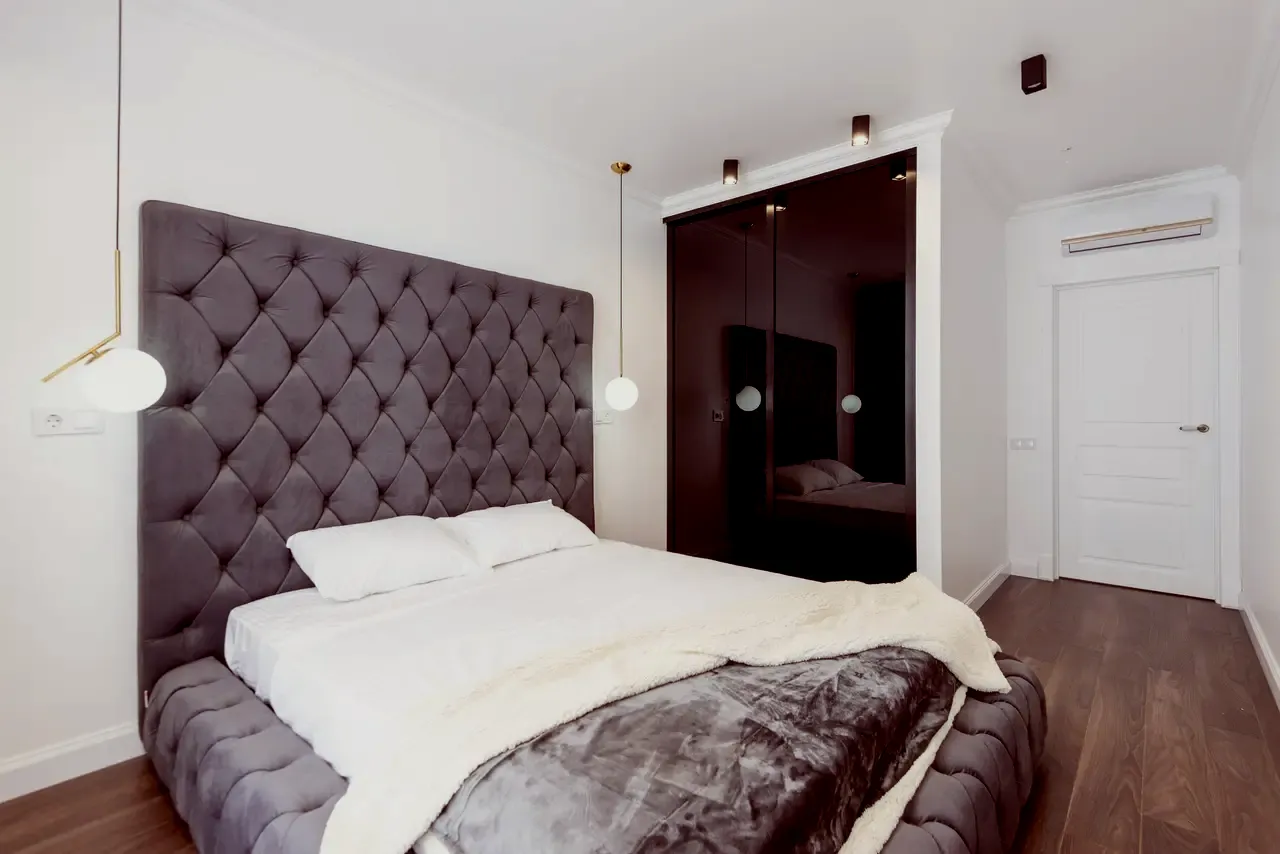
Before the return visit the provider usually goes over prep: wash bedding and dry it on high heat, keep clean items sealed in bags, pull beds away from walls and vacuum seams and edges. Leave encasements and interceptors in place unless told otherwise. Ask for the prep sheet in writing so no step is missed.
The provider begins in the bedroom, then moves to nearby rooms and seating: mattress seams, box springs, bed frames, headboards, nightstands and baseboards. Interceptor cups are emptied and their contents examined. A dog or thermal camera may be added, so ask. You are usually shown the active spots so you know where bugs are left.
Spots that are still active get treated again, often with a residual on frames and edges and dust in cracks, voids and outlets. If the first product did not hold, the provider may change product types. Ask how long to stay out of treated rooms and when beds can be used again.
Interceptors under each bed leg are emptied, cleaned or replaced, and extra monitors may go along baseboards or beside sofas. They catch bugs still on the move and give early warning between visits. Ask how often to look at them, what a catch looks like and when to send the provider a photo.
Ask for notes before the provider leaves: what turned up, what was treated and whether a third visit makes sense. Heavy infestations, clutter and shared walls can stretch the job past two visits. Ask how that call is made and whether added visits are covered by the terms you signed.

Some providers work with trained detection dogs that point out likely hiding places. Ask whether a dog is used, who handles it and how each alert is confirmed by eye.
During heat work, some providers watch furniture and wall temperatures with a thermal camera. At a return visit, ask if one is in use and what it reveals.
Following the label, residual products go on bed frames, baseboards and furniture joints. For a while after the visit, they still act on bugs that walk over the treated surface.
Dust goes into wall voids, outlet boxes and cracks where liquid sprays cannot reach. It dries out bugs that crawl through it and can last a long time if nothing disturbs it.
Interceptor cups under each bed leg trap bugs climbing up or down. Looked at between visits, they reveal whether bugs remain and where to search next.
Zippered encasements seal the mattress and box spring, so any bugs inside cannot escape or feed, and the smooth surface is easier to inspect. Keep them closed and watch for tears.
A HEPA-filter vacuum pulls bugs and eggs from seams; seal the bag or the canister contents and carry them outside right away. Slow-moving steam kills eggs and nymphs in fabric and along edges.
A careful provider works room by room, starting where people sleep, then moving through seating, closets and baseboards. Each finding is confirmed by eye so old stains are not mistaken for new activity. Find out which rooms the re-inspection covers and roughly how long it will run.
Providers often combine two kinds of product: a residual spray on open surfaces and a dust puffed into cracks and voids. Bugs pick up the residual as they cross it, and the dust settles in spots a liquid would not reach. Ask what combination is planned for the return visit and the reason for it.
When bugs survive the first product, providers often switch to another class, such as an insect growth regulator or a product with a different mode of action. Rotation helps where a population resists one class. Ask which class was used before and why it is being changed.
Interceptors and other monitors are placed or reset at each return visit. Look at them once a week and log the date, with a photo of any catch. Ask how long monitoring should continue and what kind of catch means another visit is needed.

Calls like this are common. The provider usually re-inspects the unit and, if the owner agrees, nearby units, then works out whether the bug came from the original bedroom. Any active area gets a second treatment, and interceptor cups are set under the bed legs. Written notes help the renter and the property manager agree on next steps. One bug does not always mean the treatment failed, but report it in writing right away.
Heat reaches the rooms it is aimed at, but bugs tucked into wall voids, cooler corners or rooms outside the treated area can survive. Something other than bed bugs may be biting, so a re-inspection is worth having. The provider looks for live bugs and signs of activity, then treats missed areas, often with a residual or a dust. Ask how long to keep monitors down afterward.
A standalone inspection before moving day can cover bedrooms, closets and any furniture the previous occupants left behind. If signs turn up, the provider can lay out treatment options before boxes come inside. If not, monitors near the beds give early warning later. Michigan's health department calls bed bugs hitchhikers that travel in furniture and other moved items, so check boxes as they arrive and keep beds away from walls.
A re-inspection can be booked, with a record of the date, what was checked and what turned up. If activity appears, treatment and another visit come before the new lease. Notes like these support the rental file. An inspection only reflects the day it is done, so ask how long monitors should stay after a new renter moves in.
Housing in Sterling Heights shapes how return visits go. The city has 133,573 residents and 53,607 housing units, with a median year built of 1977; 57.8 percent of units were built before 1980 and just 4.4 percent in 2010 or later. About 24.2 percent of occupied homes are rented, 21.3 percent of units are in buildings with two or more units and 17.1 percent are in buildings with five or more. In shared buildings, Michigan's health department notes bed bugs can spread to neighboring homes through walls, ceilings and hallways, so providers often spend extra time on adjacent units and on notes for property managers. In single-family homes, the focus is usually bedrooms, sofas and anything carried in from outside. Another 2.9 percent of units are mobile homes, and the city's master plan names two manufactured home communities, Rudgate Manor and Sterling Estates. Bed bugs are an indoor pest in every month, and the state describes them as hitchhikers in furniture, suitcases and other moved items. In Michigan, pesticide businesses working for hire need an MDARD license, which you can check on the Find Businesses Licensed by MDARD page. No city permit applies to bed bug treatment itself.
A recorded subdivision in ZIP 48313, the same ZIP as Lakeside South. Return visits often look closely at wall voids, baseboard gaps and outlet boxes, along with any attached unit.
A recorded subdivision in ZIP 48310, which it shares with Tarryton and Essex Gardens. Return visits here often focus on bedrooms, sofas and anything bought used or brought back from a trip.
Southeast Sterling Heights, including Sterling Country Estates, Seville Gardens and Biltmore Park. Rechecks here center on bedrooms and on things carried in from outside.
Dresden Village, Forest View, Vineyards and the North Van Dyke Avenue district. If a store-bought spray came first, say so, since the provider may switch to another product class.
Bed bugs can move between homes through wall voids and plumbing openings, so a return visit limited to one unit may never find the source. Ask whether the units beside, above and below should be inspected and treated at the same time.
Heated homes give bed bugs no off season, even in a Michigan winter, so do not delay a return visit for the weather. Book it when the provider advises and leave the monitors in place.
Michigan's health department calls bed bugs hitchhikers that travel in furniture, suitcases and other moved items. A new find after a clean visit may be a fresh arrival, so tell the provider about recent trips, moves or purchases.
Businesses applying pesticides for hire need an MDARD license. Check the company on Find Businesses Licensed by MDARD first, and ask for product labels if you want them.
A typical situation: around two weeks after the owner's first treatment, a renter spots a live bug on the sofa, and bites begin in the second bedroom. The renter reports it in writing, and the property manager calls to schedule a return visit before it spreads.
What usually follows: the provider re-inspects both bedrooms and the sofa, treats active spots with a residual and a dust in cracks, and places interceptors under the bed legs. Prep, clutter and attached units all affect results, so monitoring continues afterward.
After that: Keep the interceptors under the bed legs and check them weekly. Run the vacuum along seams and edges often, and launder bedding with a hot dryer cycle. Report new bites or catches in writing within the period the provider's terms set.
A typical situation: three weeks after heat treatment, a homeowner still wakes up with bites. The heat reached the bedroom, but bugs may have hidden in a wall void behind the headboard or in another room. Finding the source takes a return inspection.
What usually follows: the provider looks for live bugs around the headboard, outlets and baseboards, may puff dust into the wall void and seals gaps. A later check shows whether the activity has stopped.
After that: Leave any dust in wall voids undisturbed. Keep monitors along the baseboard and replace them when the provider suggests. Seal new cracks around outlets and trim, and inspect luggage after every trip before bringing it in.
A typical situation: one apartment has been treated twice, and now the renter next door reports bites. A shared wall or plumbing chase may be the route the bugs took. The manager needs notes and a plan for both apartments, not only the one that reported first.
What usually follows: the provider inspects both units and the shared chase, dusts the voids, treats active spots in each apartment and writes notes for both tenant files. Monitoring over time shows whether bugs remain in either unit.
After that: Ask how often the shared chase and nearby units should be rechecked over the coming months. Keep the notes on file, and remind renters to report bites in writing and check luggage after trips.
Failed treatments tend to fail for the same handful of reasons. A scheduled return visit is meant to catch each one before it turns into a bigger infestation.
If nothing is done, the few females that survived go on laying eggs, and their young can reach adulthood within weeks, so a small miss can quietly become a bigger problem. The provider re-inspects, finds the spots the first round missed and treats them again, sometimes with a different product type. A close look helps show whether the bug survived treatment or hatched afterward. Report it quickly, and if you can, stick the bug to clear tape.
Bed bugs can move from room to room along baseboards and on clothing, bags and furniture, so treating only the first bedroom can leave another room active. Ask the provider to re-inspect every room where people sleep or sit, including closets, living room seating and any used furniture you brought home. Active spots are treated and each room gets monitors.
Without written notes the disagreement drags on and the renter keeps getting bitten. Under MCL 554.139, a Michigan landlord covenants that the premises and common areas are fit for the use intended; this site draws no legal conclusion from it. Sterling Heights Code Enforcement takes property maintenance complaints through the city. Ask the provider for dated notes on what was inspected and found, and give both sides a copy.
Hardware-store sprays kill some bugs on contact but miss eggs and hidden bugs, and Michigan's health department says foggers are not effective at killing bed bugs. A few weeks later the bugs are back, sometimes less affected by that same product type. The provider inspects again, pins down the remaining activity and may switch product classes. Say exactly which product you used and where.
The provider sets it after inspecting; some plans build in return visits
The provider, not this site, sets the cost of a follow-up visit in Sterling Heights, and many providers build one or more return visits into the cost of the first treatment. A standalone visit, such as a second opinion or a pre-move-in check, is usually quoted separately. The cost depends on the number of units, the size of the home, clutter, whether neighboring units need a look and which methods are used. Get the quote in writing, and ask what an added trip costs if live bugs turn up in a treated room.
A return visit gives you a second careful inspection and a written result, usually a far smaller job than starting full treatment again or replacing furniture. Ask which re-treatment terms apply if a treated room shows activity, and for how long.
A single house or apartment takes far less work than a group of units, since each extra unit adds inspection and treatment hours. Managers with several affected units in one building can ask whether the provider prices the building as a whole.
Inspecting and treating a one-bedroom unit is quicker than working through a house with four bedrooms, and a bigger home uses more product. Ask the provider how the size of your home changes the quote.
Clutter slows the inspection and gives bugs more hiding places. If bedding was not washed or beds were left against the walls, the visit may run longer and need another pass. Good prep usually keeps the return visit simpler and shorter.
In Sterling Heights apartment buildings and condos, the units on either side may need a check. Ask whether those units are quoted separately and how access is arranged. Looking next door is often the quickest way to find the source.
If the first treatment did not hold and the provider moves to another product class, such as an insect growth regulator, the cost may change. Ask the reason for the switch and its effect on the quote.
This site is a referral service, not a pest control company, and holds no pesticide license. You can, however, check the provider yourself before the return visit. In Michigan, the Pesticide Section of Michigan's Department of Agriculture and Rural Development (MDARD) licenses businesses that apply pesticides for hire, and their applying employees must be certified applicators or registered technicians. Search the company on MDARD's Find Businesses Licensed by MDARD page. Michigan's health department also says bed bug foggers are not effective, so a fogger is no substitute for a licensed visit. Get the license details, product labels and re-entry times on paper, and check the provider's insurance before any work starts.
A renter household is treated but still finds a bug about two weeks later, one of the most common reasons for a follow-up call. The caller is connected with a provider who can explain how the return visit works, re-inspect the bed and box spring and treat any active spots. Expect questions about whether interceptors are down and what you have seen.
An owner of a small building finds bed bugs returning in one apartment. The caller is connected with an independent provider who can re-inspect that unit, its wall voids and, with permission, the units around it, then treat whatever turns up. Request written notes for the tenant file, and expect guidance on monitoring the building over the following months.
A renter whose landlord already arranged treatment wants an independent look before renewing the lease. The call goes to a provider who can explain what a re-inspection covers and what written notes it produces. A visit shows only what is there that day, so interceptors under the bed legs are often suggested for the weeks after. Expect plain answers and no pressure.
Let the provider know right away, and in writing if you rent. Many providers include a return visit for a set time after treatment, but terms differ, so check yours. The provider looks again, sorts out whether the sign is a live bug or leftover debris, and treats any spot that is still active. When bugs come back, the cause is often eggs that hatched after the first treatment, or fresh bugs that arrived in luggage or furniture.
In most cases, yes. A single treatment kills many bugs, yet it can miss eggs and bugs tucked deep in cracks, and those eggs may hatch later. Timing a return visit after the hatch lets the provider reach new nymphs before they can breed. Providers commonly combine methods, and a planned follow-up is one part of that combination.
It depends on the size of the infestation, the method used and how thorough the prep was. Two visits are common, and more may be needed for heavy infestations, cluttered rooms or shared walls. After each return visit, ask whether another is recommended and the reason. You should never be pressed into visits you do not need.
The provider sets the cost after inspecting; this site does not quote costs. Many providers include one or more return visits in the cost of the original treatment. A one-off visit, like a second opinion or a check before moving in, gets its own quote. The cost reflects the number of units, home size, clutter, neighboring units and how much prep was done.
Don't see your question here? A call to the referral line puts you through to a local provider to discuss timing and next steps.
Ask a provider
An inspection looks for live bugs, eggs, shed skins and fecal spots before any treatment is chosen. A few providers also use a dog or thermal camera. If you are not sure you have bed bugs, begin here. The findings shape both the treatment and the return visits.
View service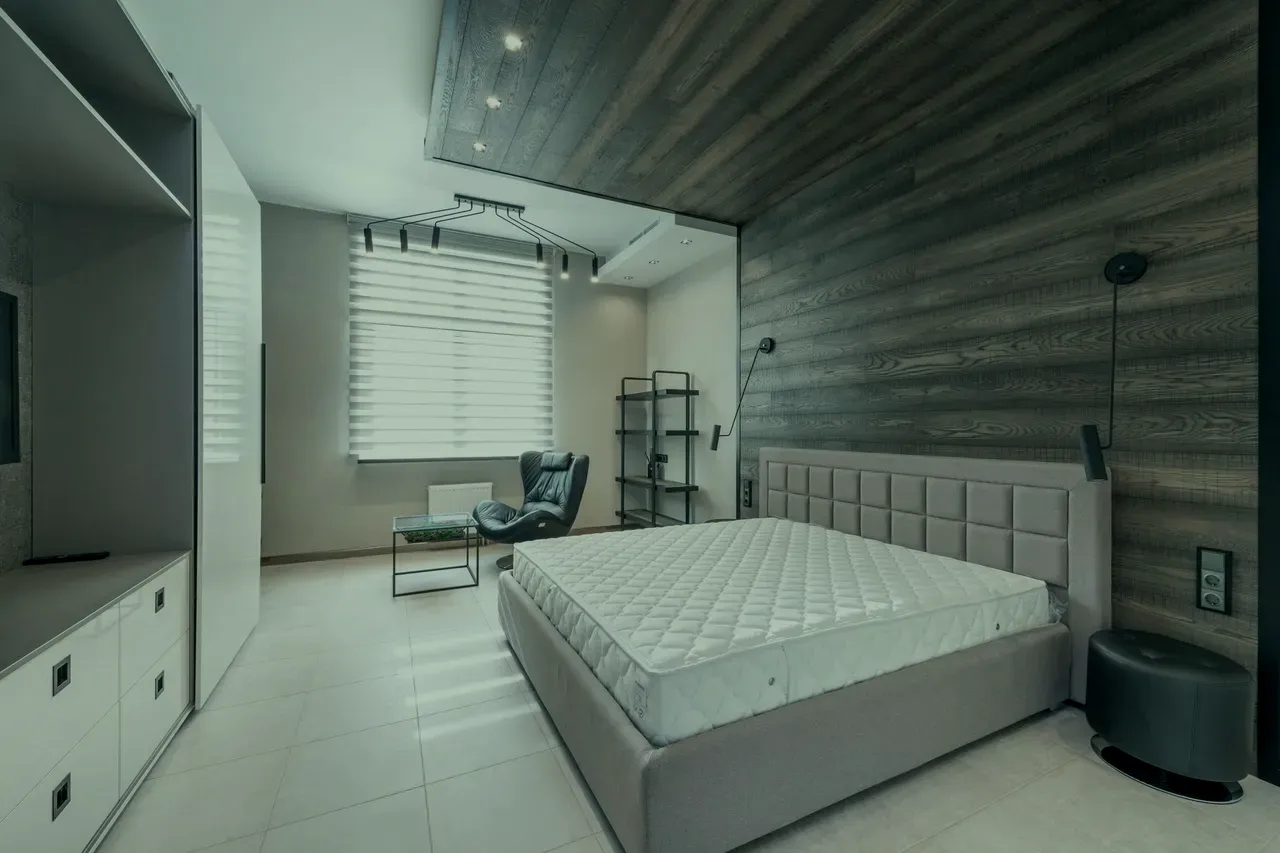
Heat treatment raises a home or apartment to a temperature that kills bed bugs at every life stage in the heated space. Bugs sheltering in wall voids or cooler spots can still escape, so providers often add a residual product and a return inspection.
View service
Chemical treatment places residual products on frames and edges and dust in cracks and voids, applied by a certified applicator or registered technician. Some products leave eggs unharmed, which is why the return visit matters: it reaches nymphs that hatched after the first application dried. Ask when treated rooms can be used again.
View service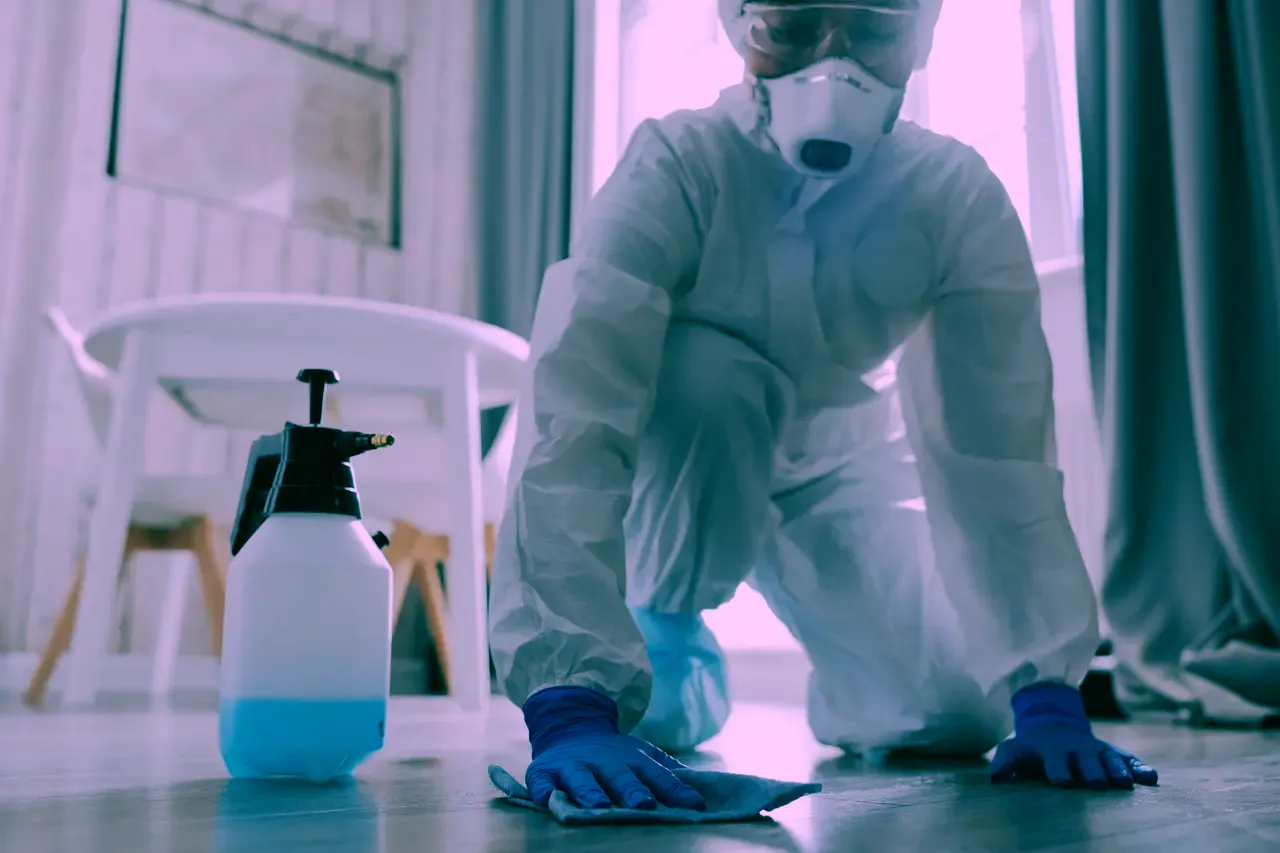
Apartment treatment covers condos, duplexes and larger buildings, where bed bugs move through shared walls and plumbing openings. Providers often work with property managers, check adjoining units and write notes for lease files. With 17.1 percent of Sterling Heights units in buildings of five or more, one missed unit can reinfest its neighbors.
View serviceYour call to this site's number goes through a call-tracking service, may be recorded, and is then connected with an independent local provider serving Sterling Heights. Calls are connected 7 a.m. to 1 a.m. Eastern Time (8 a.m. to 2 a.m. during daylight saving time). The provider books the inspection and sets the cost.